

Manuka Honey
Manuka honey is known for its naturally occurring MGO content, which is one of the key characteristics used to grade genuine Manuka honey. The higher the MGO number, the higher the concentration of methylglyoxal in the honey. MGO is widely used as a measurable quality marker for Manuka honey.
What is MGO
MGO stands for methylglyoxal. It is a naturally occurring compound found in Manuka honey from New Zealand. The MGO level is one of the key markers used to grade and differentiate Manuka honey. The MGO level is determined through laboratory testing to verify that the number on the label matches the measured content.
What do the MGO numbers mean
MGO numbers indicate the concentration measured in Manuka honey.
At HVNR Health we have chosen Manuka honey above 500 MGO to offer a concentration and quality level that suits an active lifestyle with correspondingly high demands for purity and traceability.
500-700 MGO: A higher concentration, suited to everyday use.
1000+ MGO: A rare high-MGO Manuka honey extracted in very limited quantities
How do you choose MGO level
Higher MGO means higher concentration. Many choose to have two different variants available: Everyday Boost MGO 540 for daily routine and Super Boost MGO 1000 for higher concentration.
Everyday Boost: Manuka MGO 540 is an easy choice for everyday use. Enjoy it with your breakfast, before training or simply as part of your daily routine.
Super Boost: Manuka MGO 1000 is one of the highest MGO concentrations in our range. Its high MGO level and limited availability make it an exceptionally rare Manuka honey




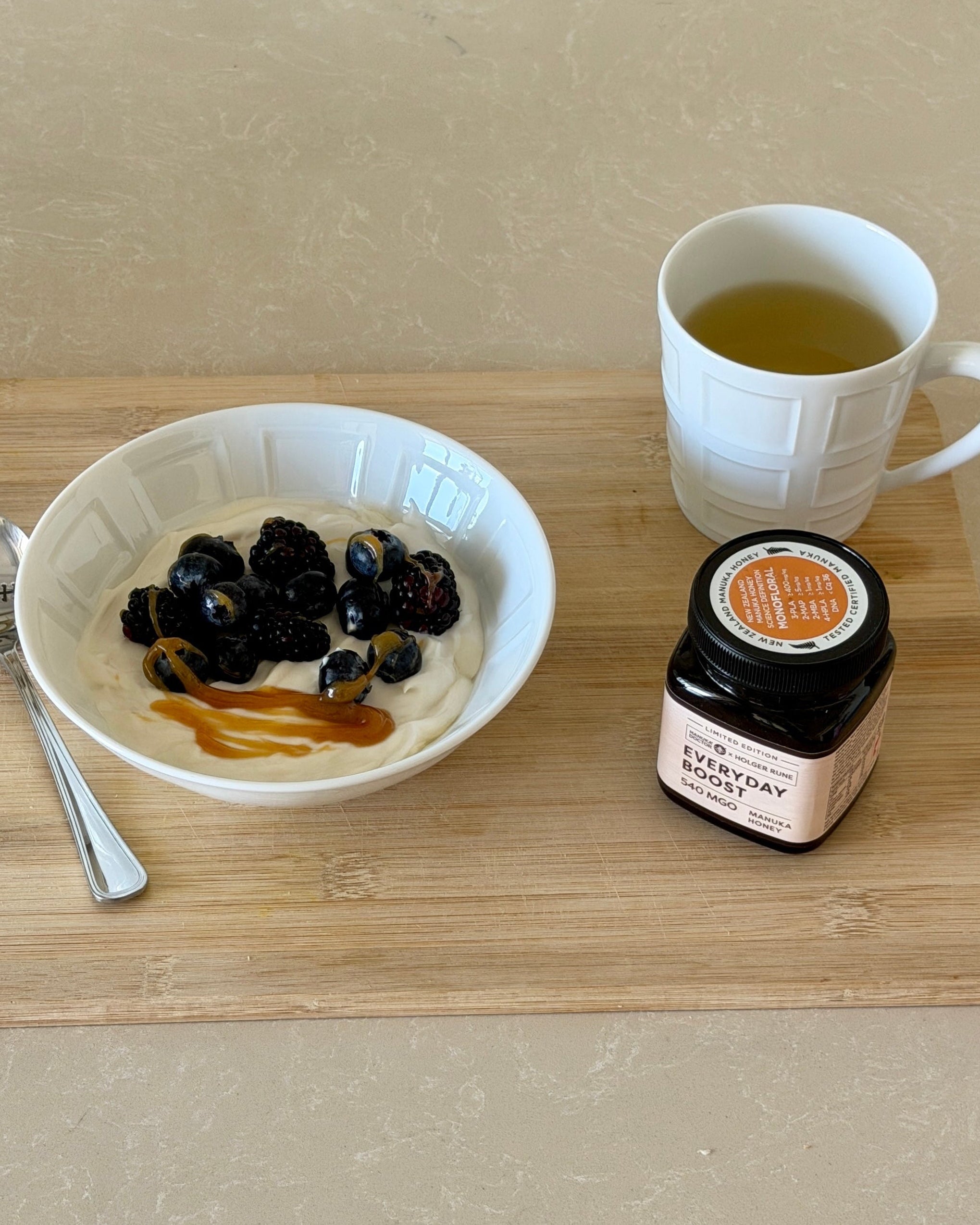
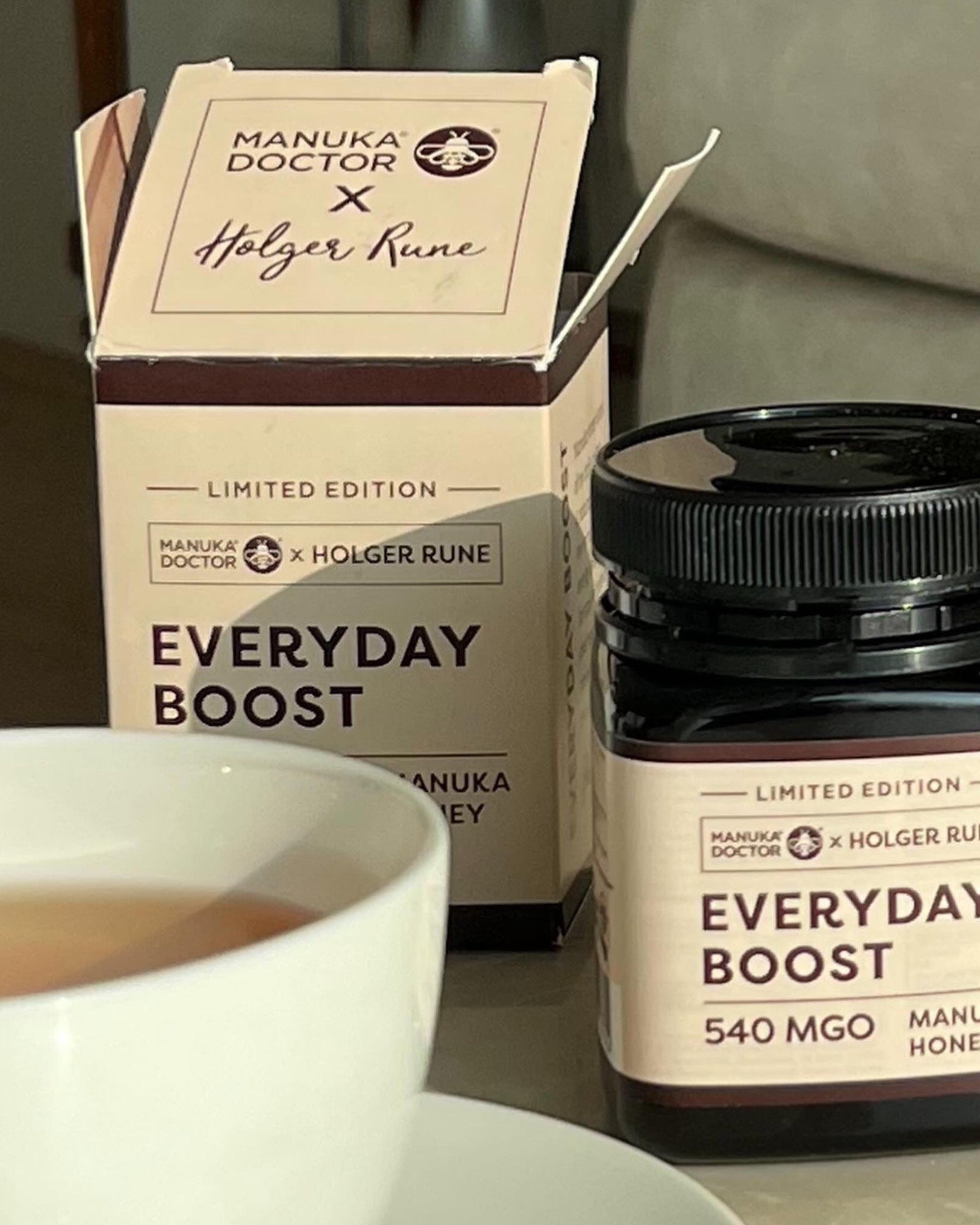


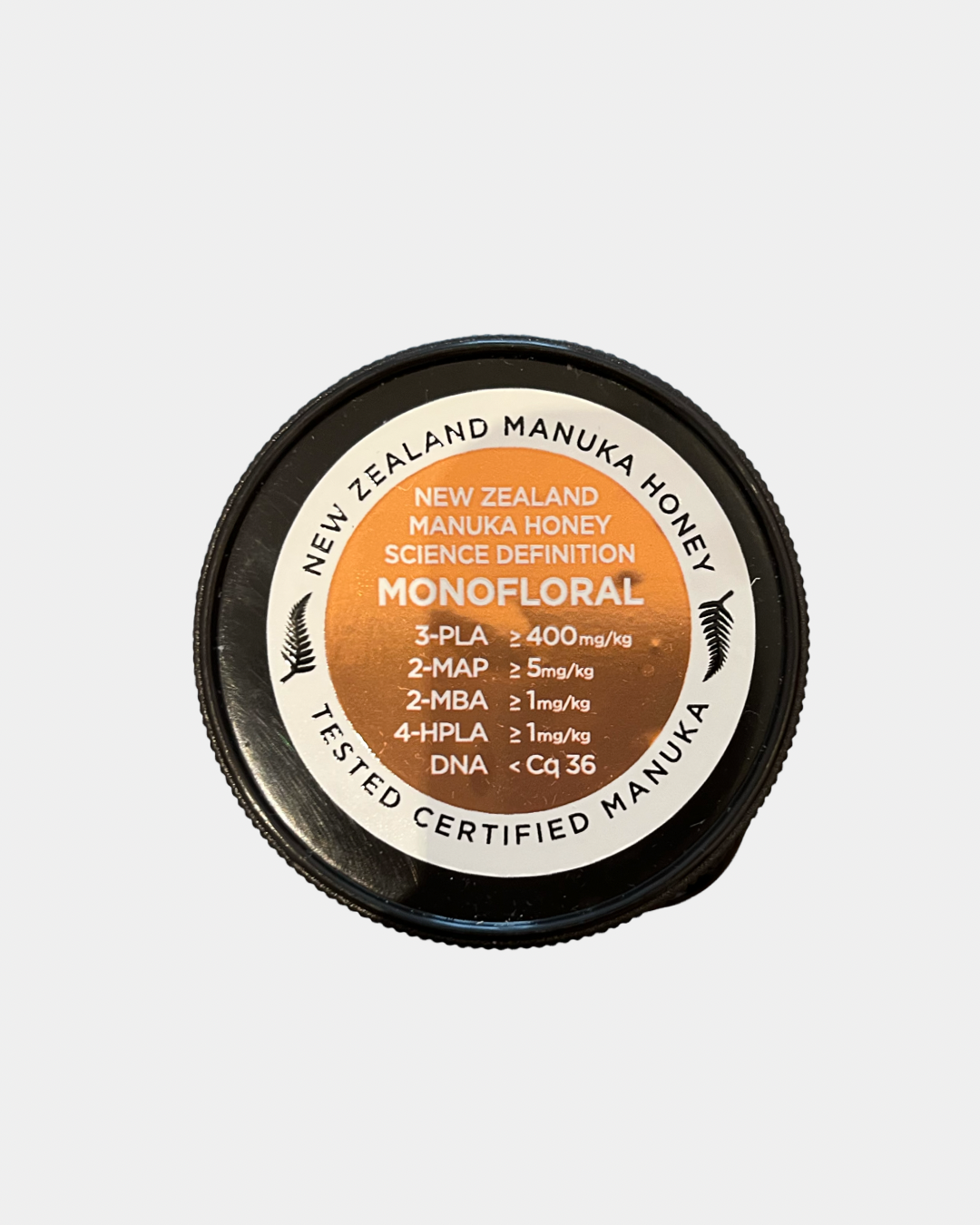
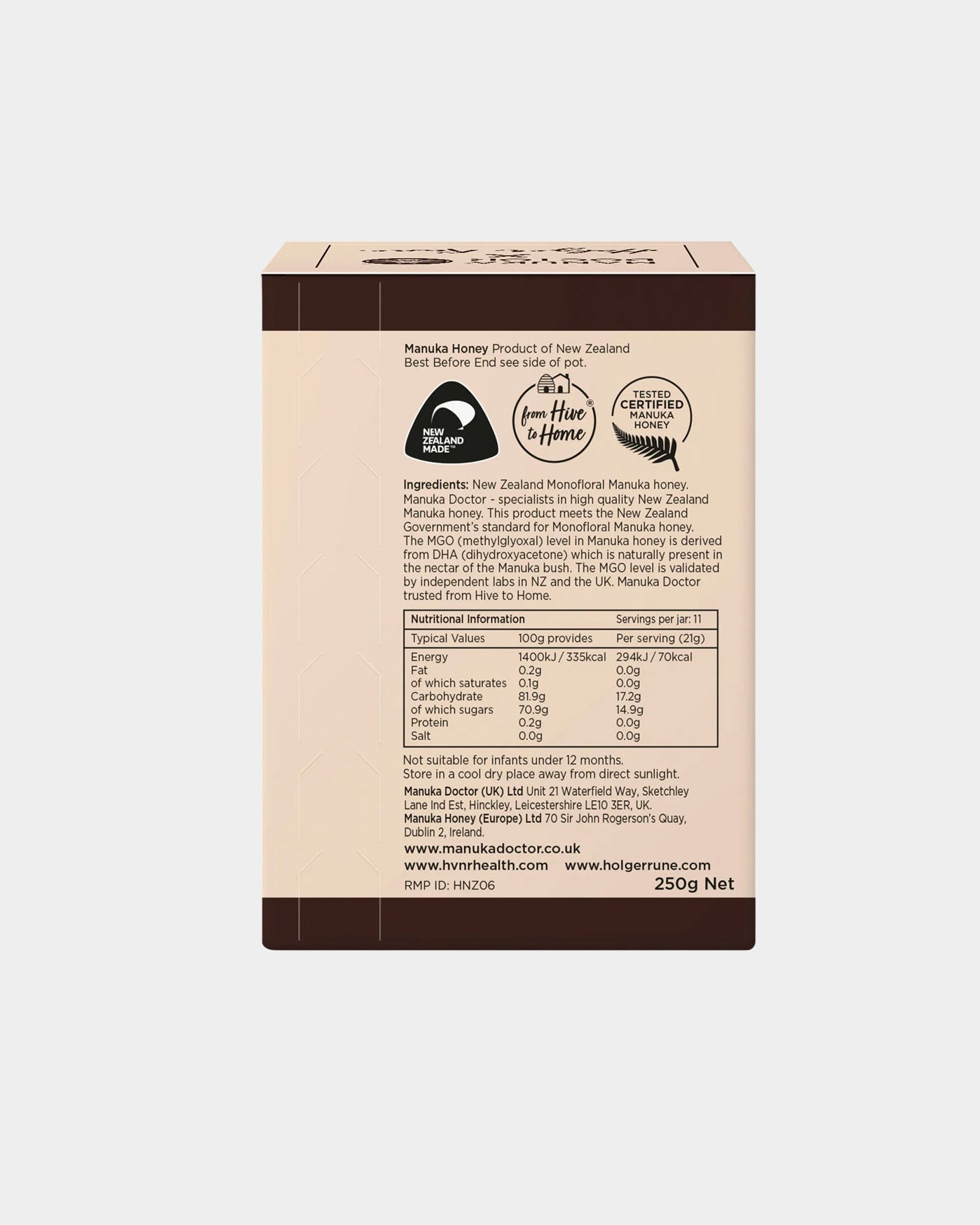
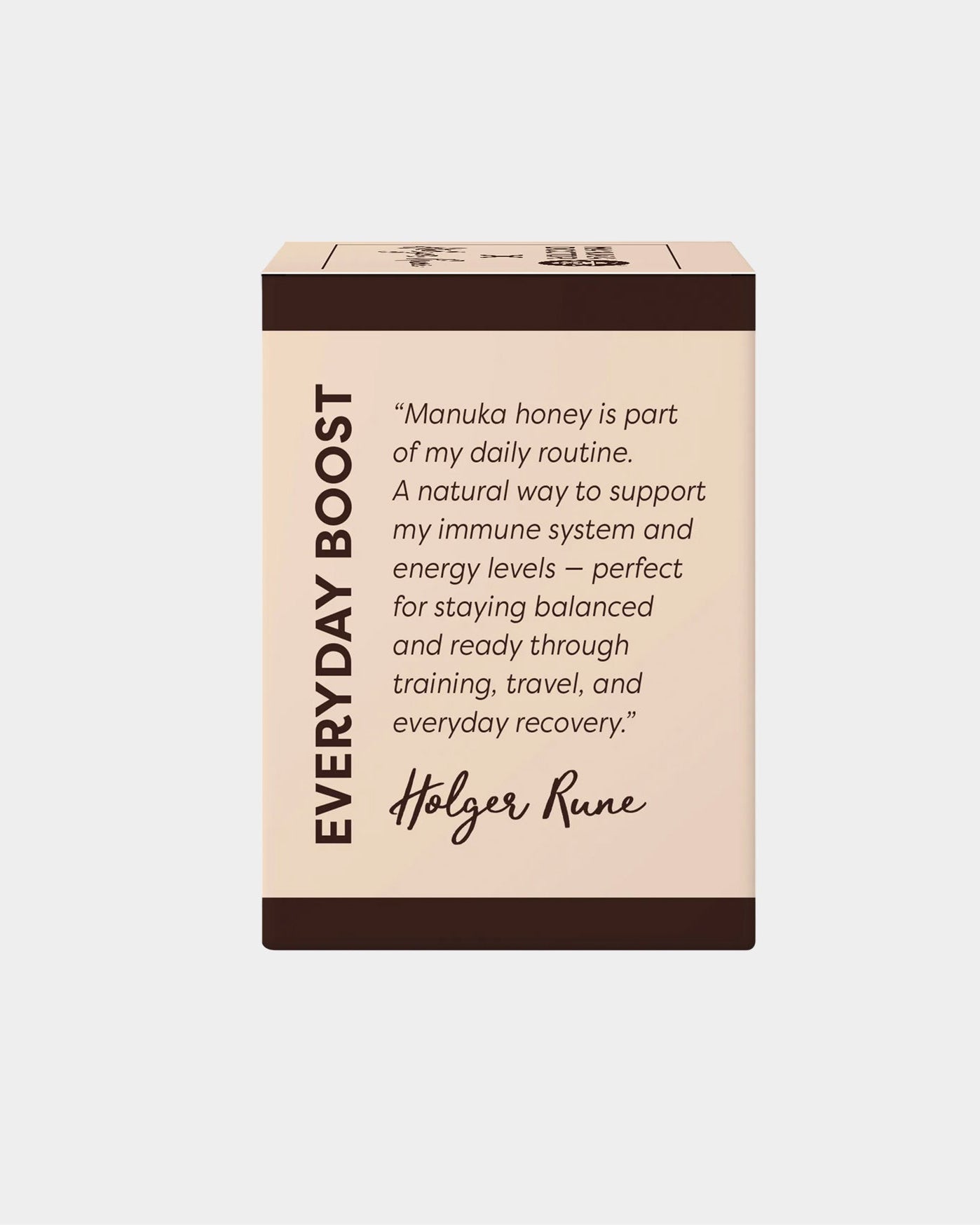
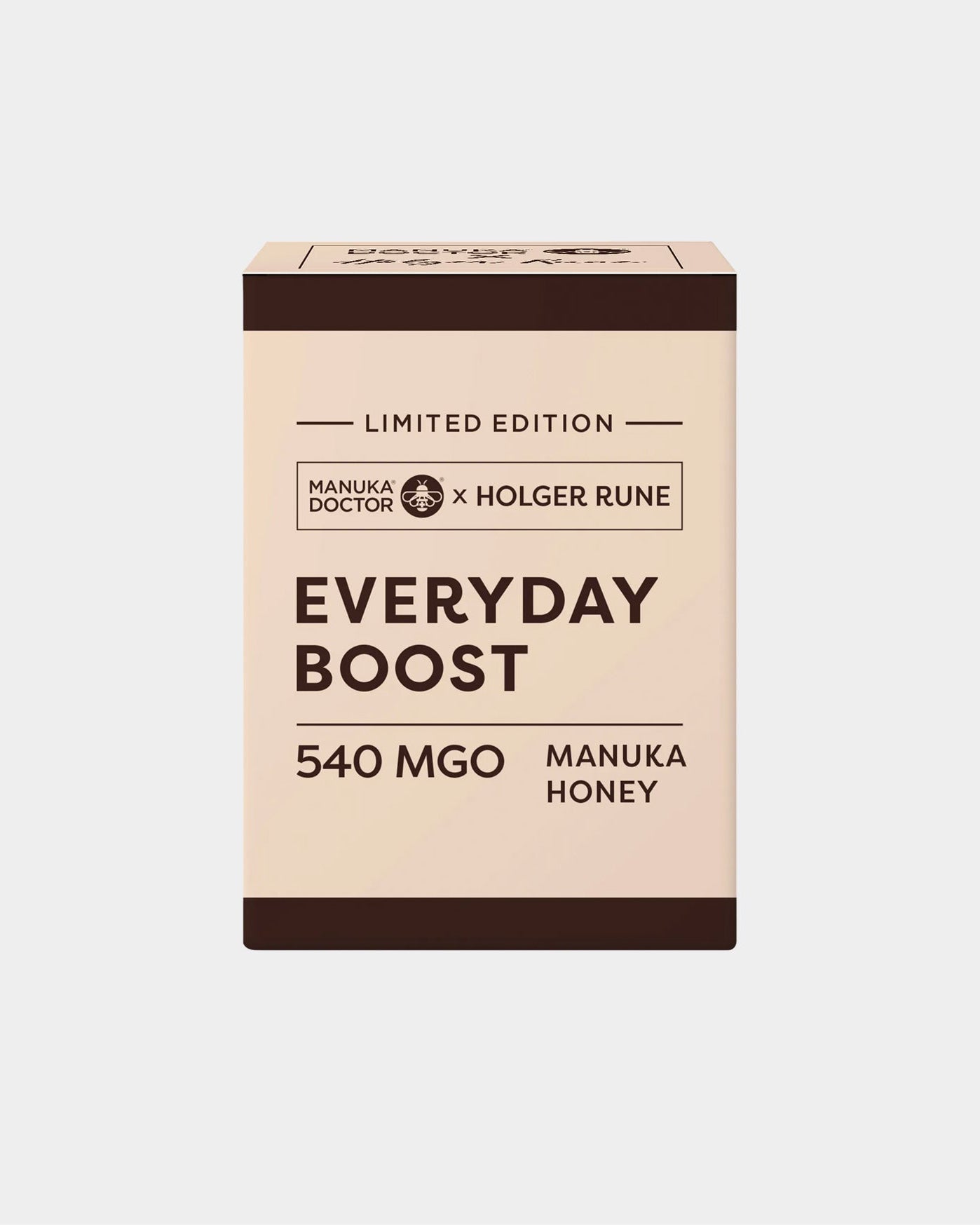
Manuka honey MGO 540 Everyday Boost.
Manuka honey contains natural carbohydrates without caffeine. A stable, natural boost from the genuine sugars in Manuka honey. Great before and during training
250 g/jar, 35-40 servings
Holger Rune x Manuka Doctor.
What is the difference between Manuka honey and normal honey
All honey is natural, but Manuka honey is something special. Genuine Manuka honey is produced in New Zealand only and contains naturally high levels of MGO.
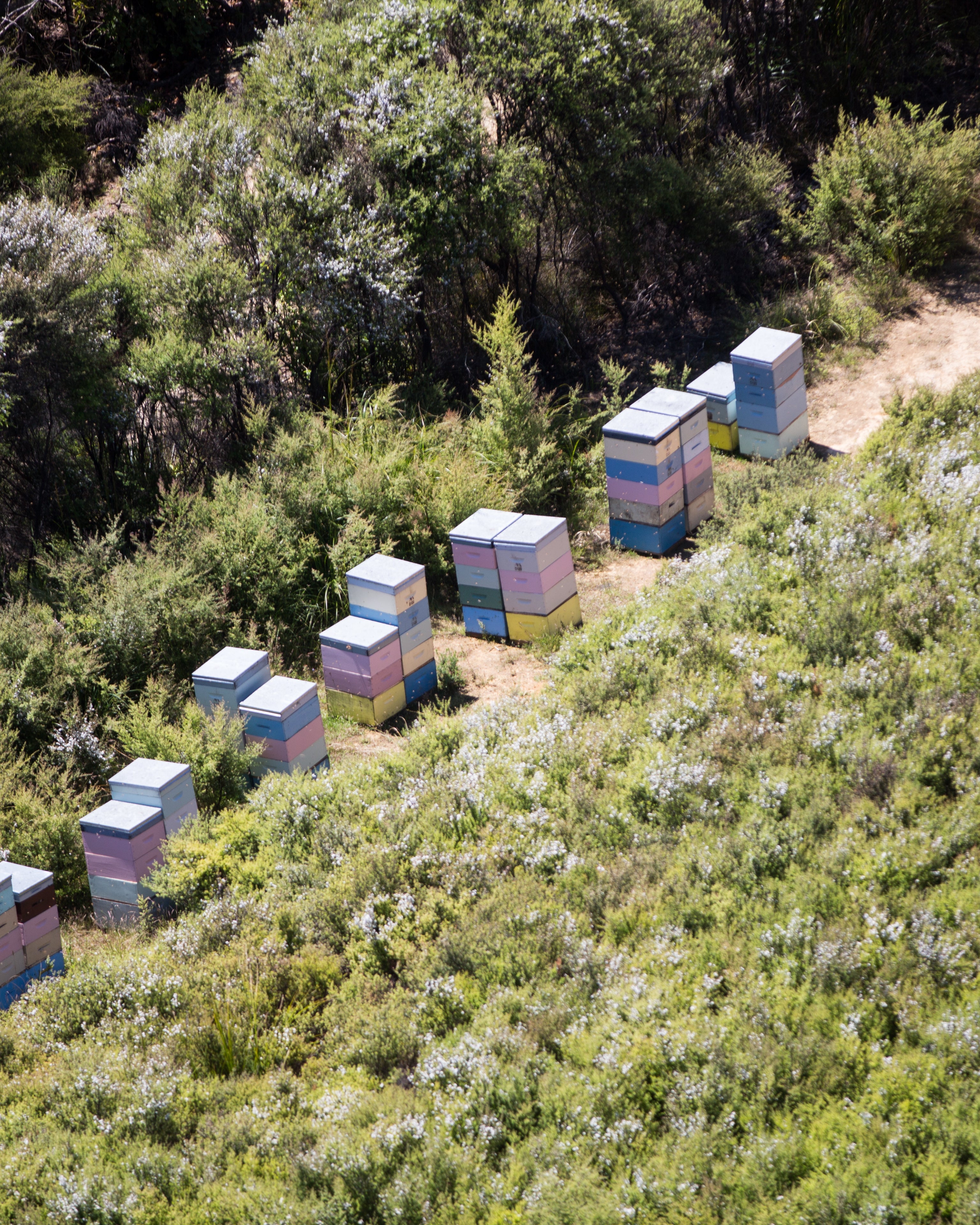
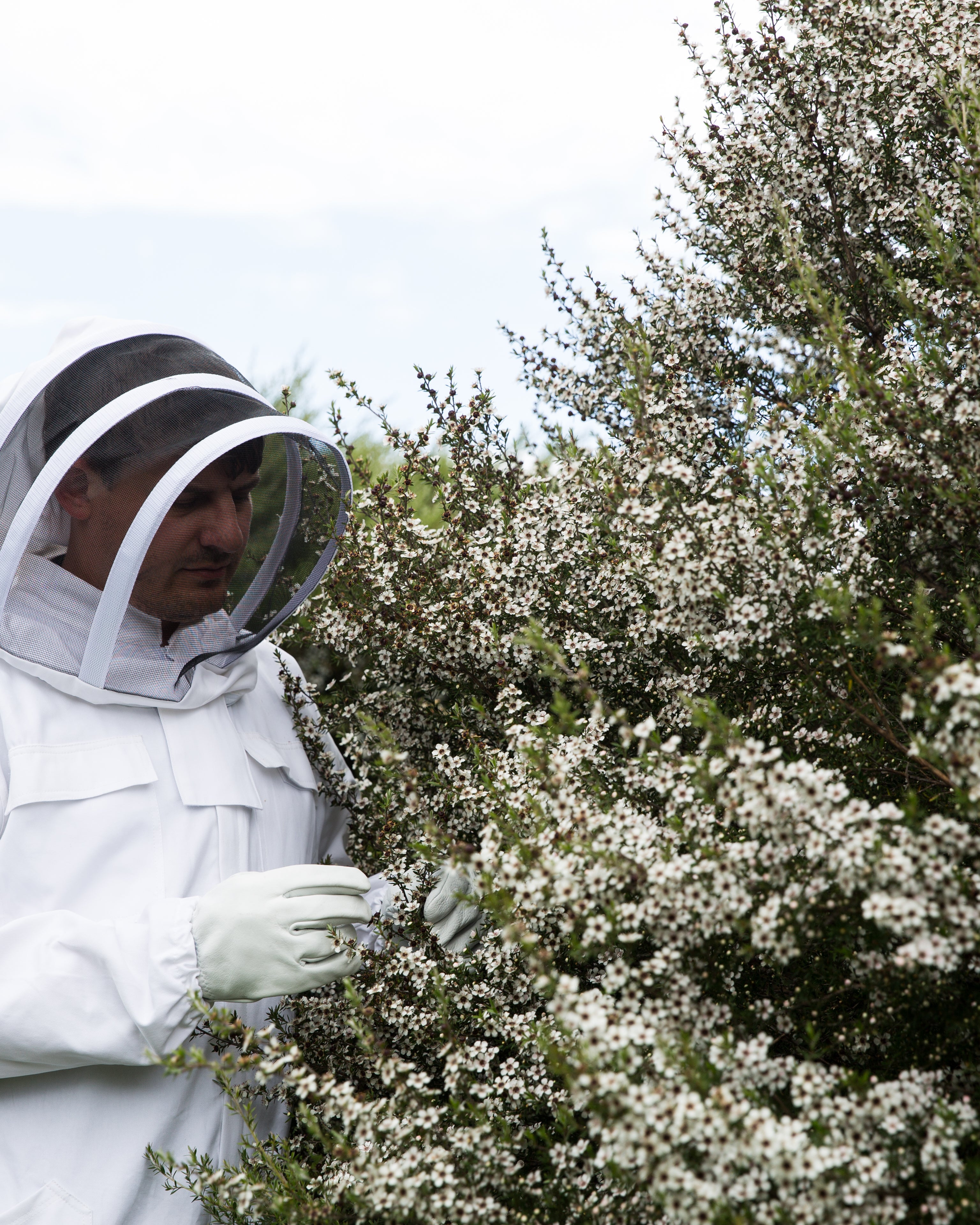
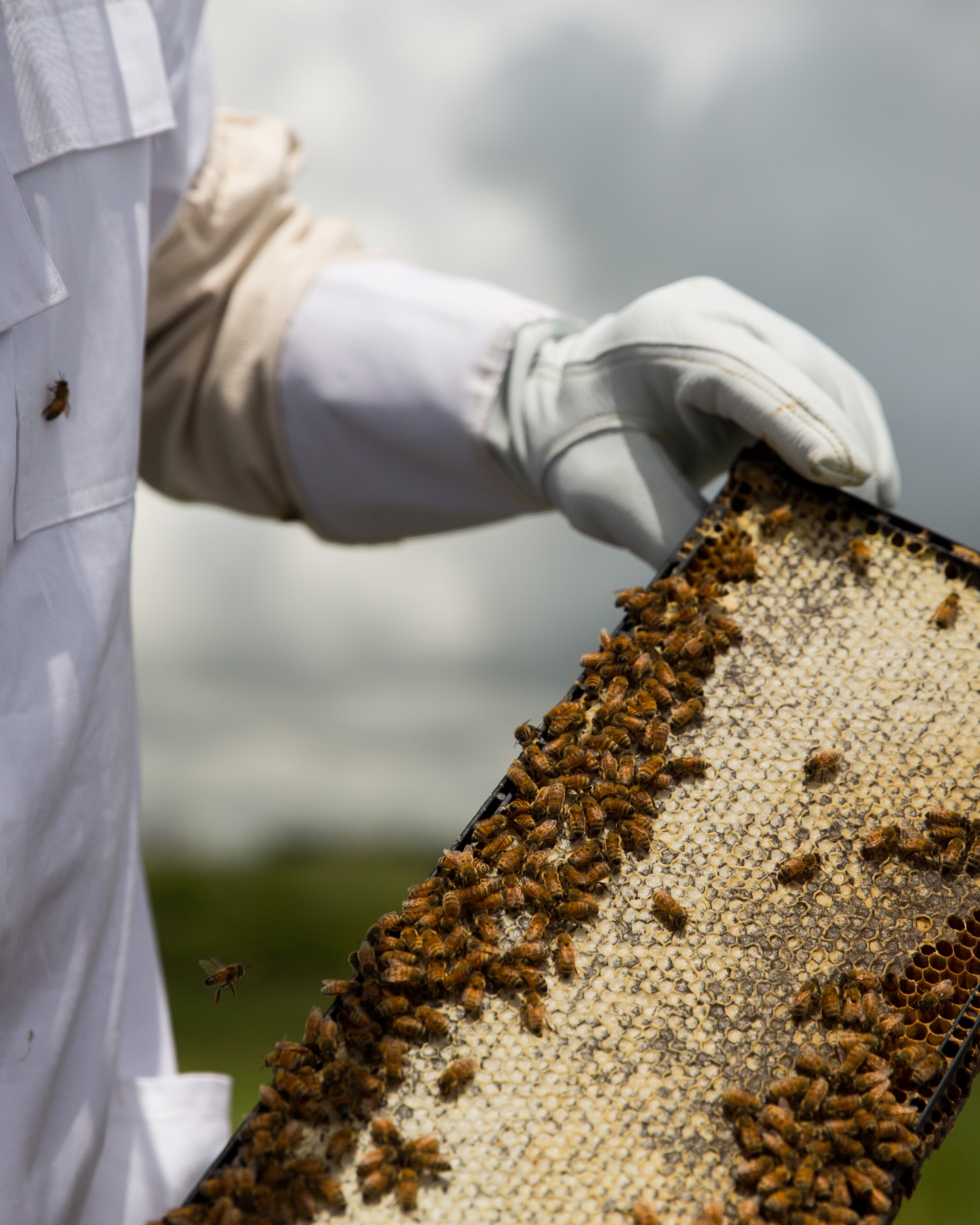
The Manuka bush only blooms for a limited period, which makes the harvest window very narrow and Manuka honey a rare exclusive product, especially with high MGO, as the concentration depends directly on the climate.
MGO directly measures the content of methylglyoxal in the honey. UMF is a broader classification system that measures several parameters. Both systems are used to ensure authenticity, but MGO provides a simple and average understanding of the honey’s concentration of MGO.
Manuka honey without documentation is not genuine Manuka honey. Always look for official MGO classification, New Zealand origin, batch testing, and clear traceability.
The quality and concentration of the nectar is directly dependent on the climate and natural conditions, making it difficult to guarantee high MGO levels every year.
At HVNR Health Manuka partner, each batch is independently tested to verify the MGO level. Our Manuka honey is produced in New Zealand in collaboration with Manuka Doctor, independently tested and fully traceable from hive to finished product.
Most people use 1-2 teaspoons of Manuka honey daily as part of their morning and evening routine. A 250-gram jar provides approximately 35-40 servings.