

What is Collagen?
Unlike proteins primarily associated with muscle, collagen is the body’s main structural protein and a major component of tendons, ligaments, cartilage, bones and skin .
Its distinctive amino acid profile is particularly rich in glycine, proline and
hydroxyproline , amino acids that are highly abundant in connective tissue.
How is collagen produced
Your body naturally produces collagen from amino acids together with nutrients including vitamin C.
Collagen turnover changes throughout life, and is influenced by normal physiological processes.
Hydrolysed collagen peptides provide collagen-specific amino acids including glycine, proline and hydroxyproline.
Types of collagen
Scientists have identified more than 28 types of collagen, but Types I, II and III are among the most abundant and widely studied.
Type I
is the most abundant collagen in the human body and is found extensively in
tendons, ligaments, bones and skin.
Type II
is the predominant collagen type in cartilage.
Type III
is found in tissues including skin, muscles and blood vessels and frequently
occurs alongside Type I collagen.
Shot+ Collagen contains Types I, II and III collagen.
Collagen peptides
Hydrolyzed Collagen is produced by breaking collagen proteins into smaller peptides. Collagen peptides have a characteristic amino acid profile containing glycine, proline and hydroxyproline.
Different collagen ingredients may vary according to source, processing method and peptide composition.

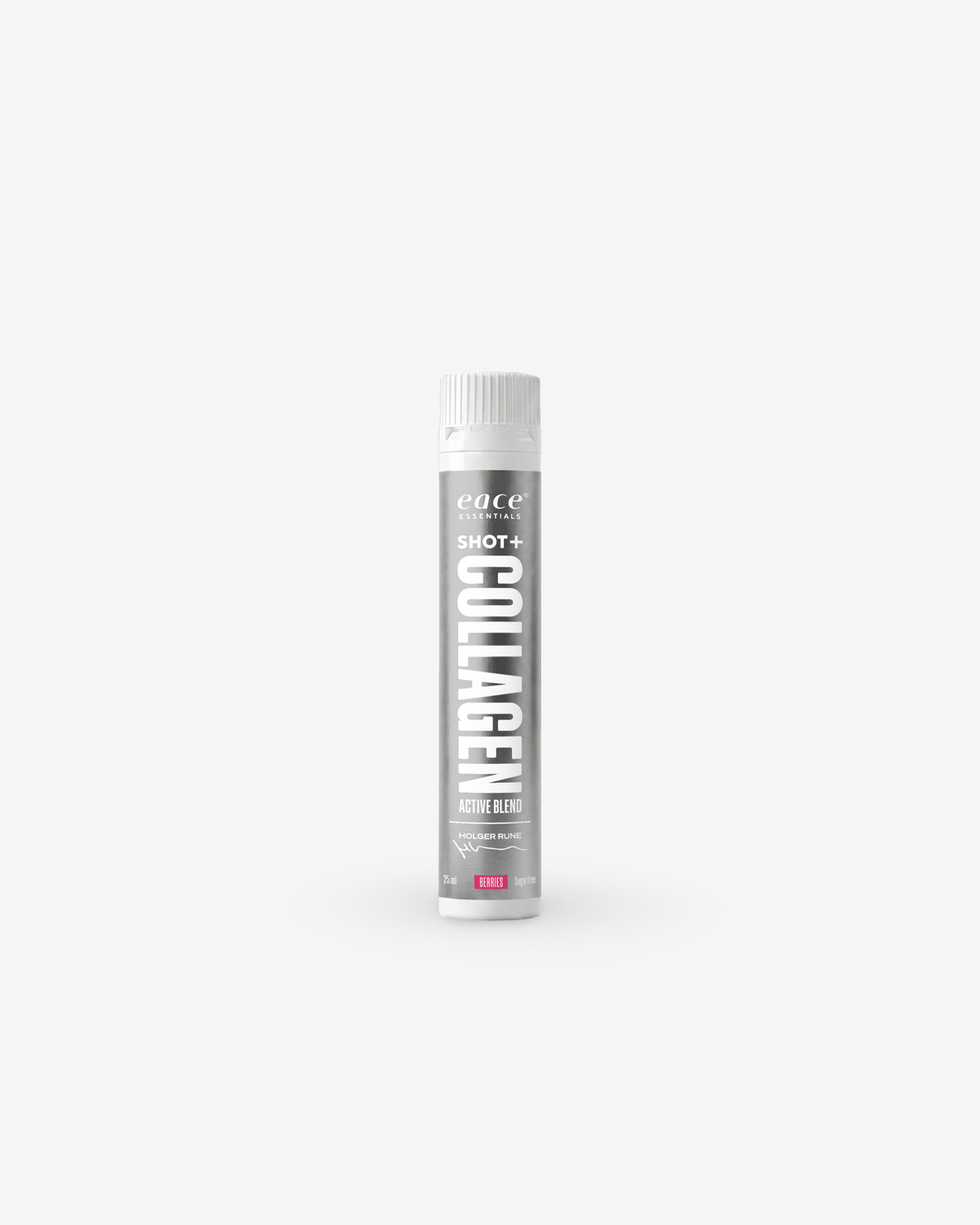

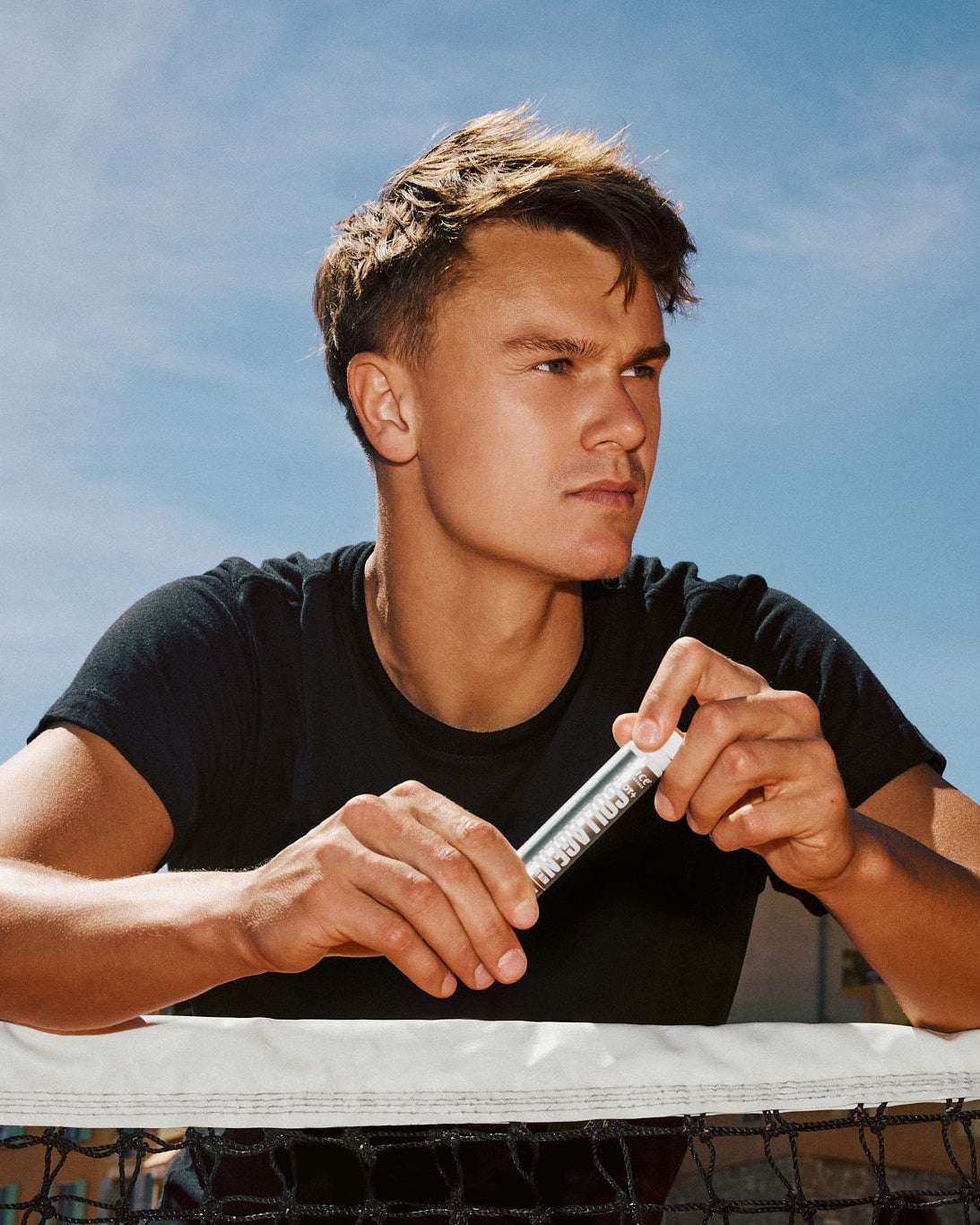
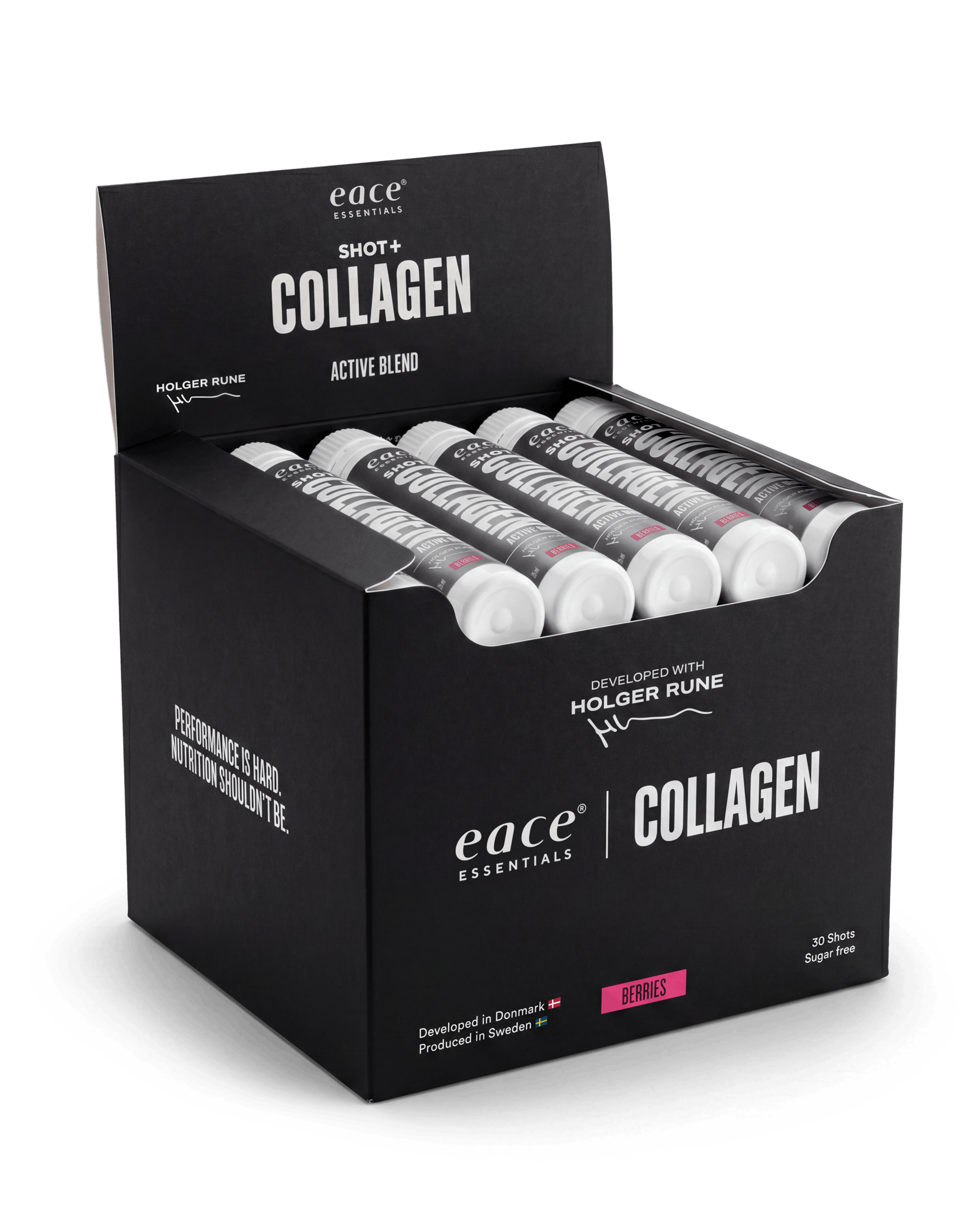
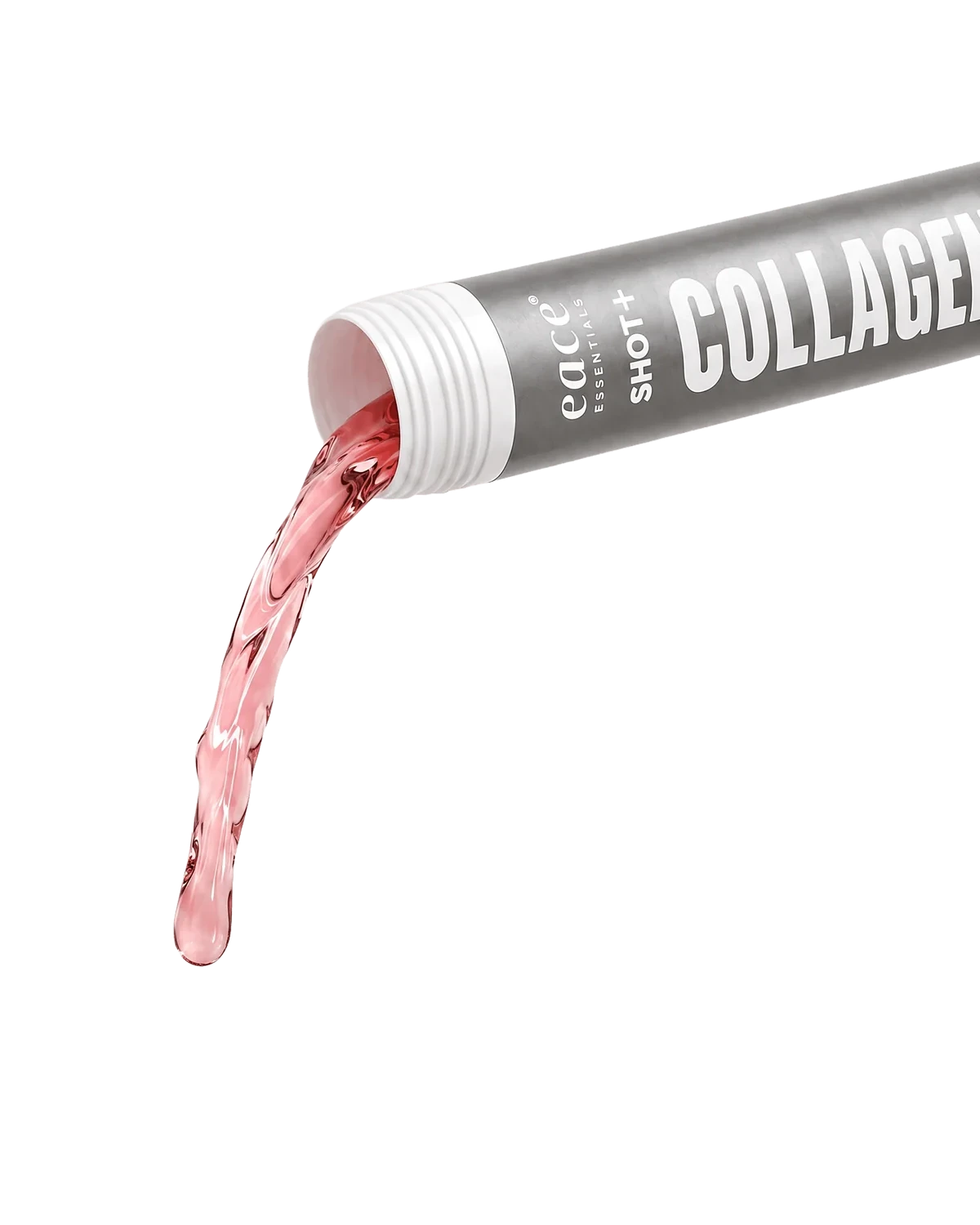
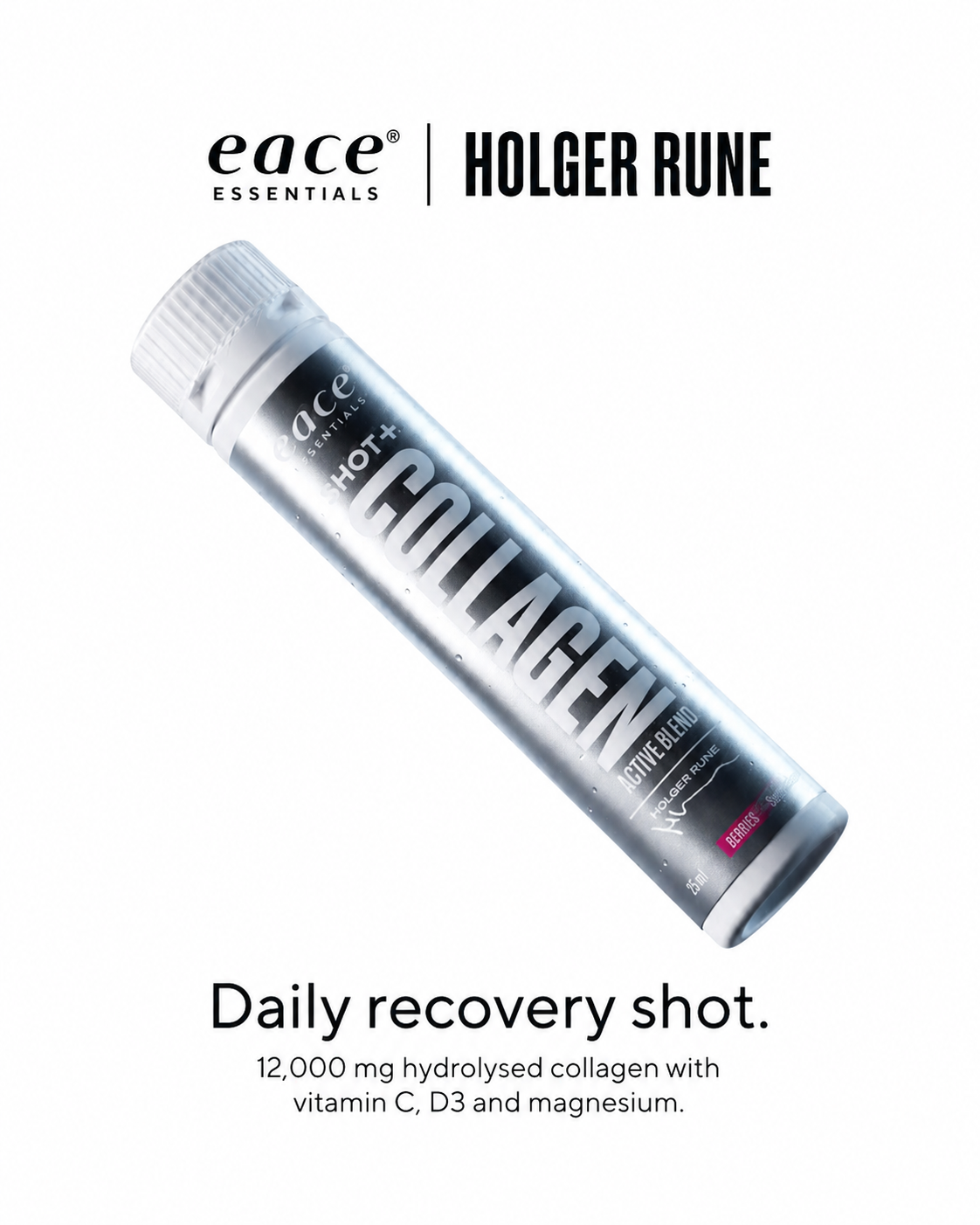

Informed Sport tested and approved Collagen shot+ peptides combines a high-dose liquid formulation with natural berry flavouring. Co-developed alongside Holger Rune to eliminate messy powders and clumping, this ready-to-drink formulation delivers an elite-level dose of structural proteins in a convenient, portable format built for active, on-the-go lifestyles.
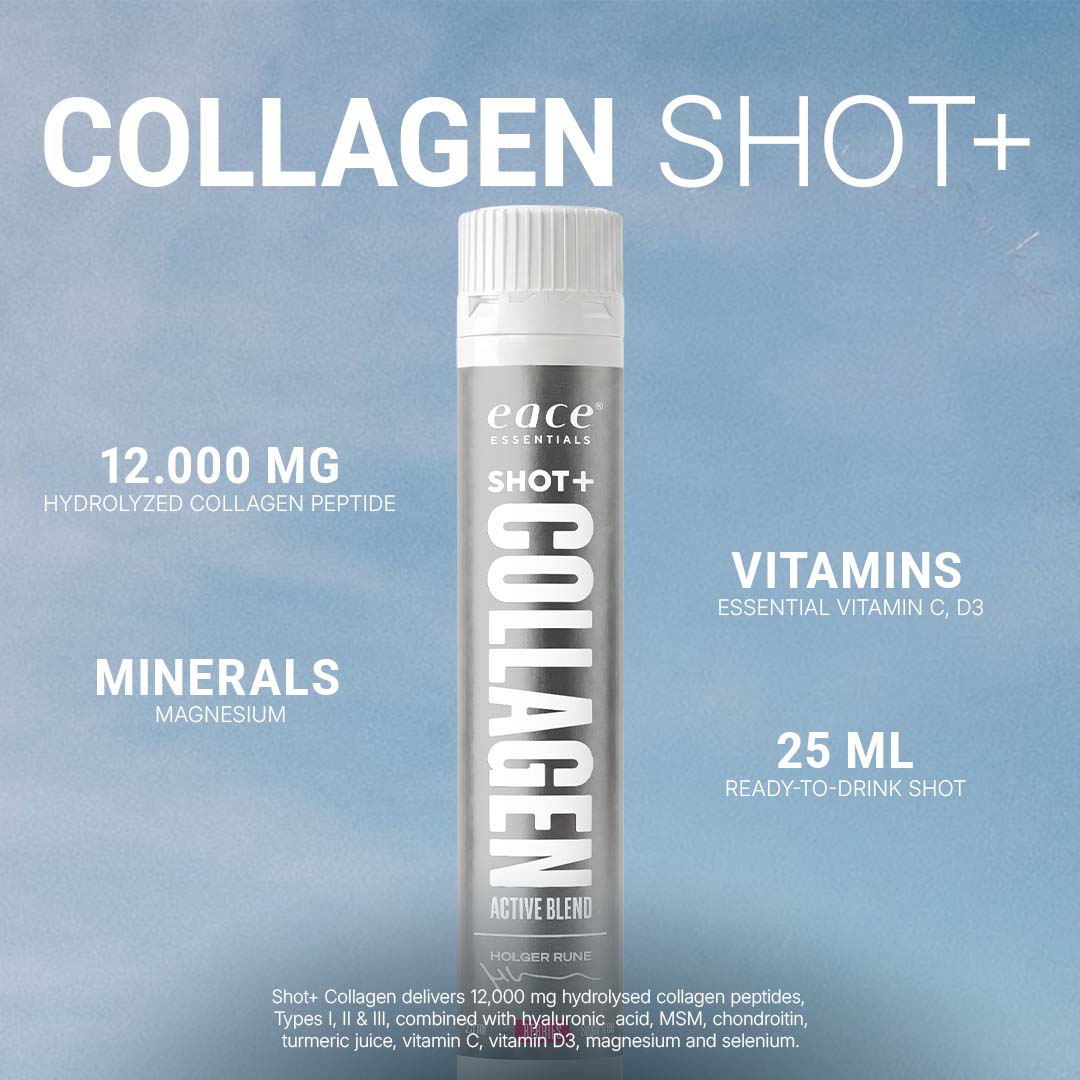
Holger Rune's Shot+ Collagen combines high-quality hydrolysed collagen, also known as Collagen peptides with hyaluronic acid, MSM, chondroitin, turmeric juice, and essential vitamins C and D3, magnesium and minerals, designed in a practical, ready-to-drink 25 ml shot.
The base is a high-dose liquid formulation containing 12,000 mg of hydrolyzed collagen peptide, types 1, 2, and 3. The result is a premium supplement developed for simple, daily use completely free from the hassle of traditional mixing or preparation.
Holger Rune x Eace Essentials
Collagen in sports nutrition
Collagen products are available in powders, capsules and ready-to-drink formats. Hydrolyzed collagen peptides are commonly used as a convenient source of collagen-specific amino acids. Shot+ Collagen combines hydrolyzed collagen peptides with Vitamin C in a ready-to-drink format
Vitamin C contributes to normal collagen formation for the normal function of cartilage, bones and skin.
Holger Rune x shot+ Collagen
Developed with one clear objective: to create a premium collagen product that fits naturally into the demands of an active lifestyle.
Shot+ Collagen combines carefully selected hydrolysed collagen peptides with vitamin C in a convenient ready-to-drink format — with the same focus on quality, consistency and simplicity that matters in elite sport.
Collagen is the most abundant protein in the human body, making up around 30% of the body’s total protein. It is naturally found in connective tissues including skin, tendons, ligaments, cartilage and bones.
Collagen peptides, also known as hydrolysed collagen, are collagen proteins that have been broken down into smaller peptides. This makes them easy to dissolve and efficiently absorbed after consumption.
There are several types of collagen in the body.
- Type I supports skin, tendons, ligaments and bones.
- Type II is primarily found in cartilage.
- Type III supports muscles, blood vessels and connective tissue.
Shot + Collagen contains all 3, Type I, II and III.
Tendons and ligaments are connective tissues in which collagen is a major structural component. Vitamin C contribute to normal collagen formation for the normal function of cartilage and bones
Collagen is naturally present in the skin and forms part of its structural framework. Vitamin C contributes to normal collagen formation for the normal function of skin.
Our collagen Shot+ provides 12 g of collagen per shot making it easy to know exactly how much collagen you are getting with each serving.
Yes. Collagen is widely used by professional athletes as part of a balanced nutrition strategy
Yes. Collagen peptides can be incorporated into daily nutrition routine.